Robotech Automation · UAE
Finishing & Milling
Automated robotic cells for sanding, grinding, polishing, and milling—delivering high-precision surface finishing and flexible milling with consistent quality and repeatability.
Tell us what process you want to automateOverview
Finishing & Milling
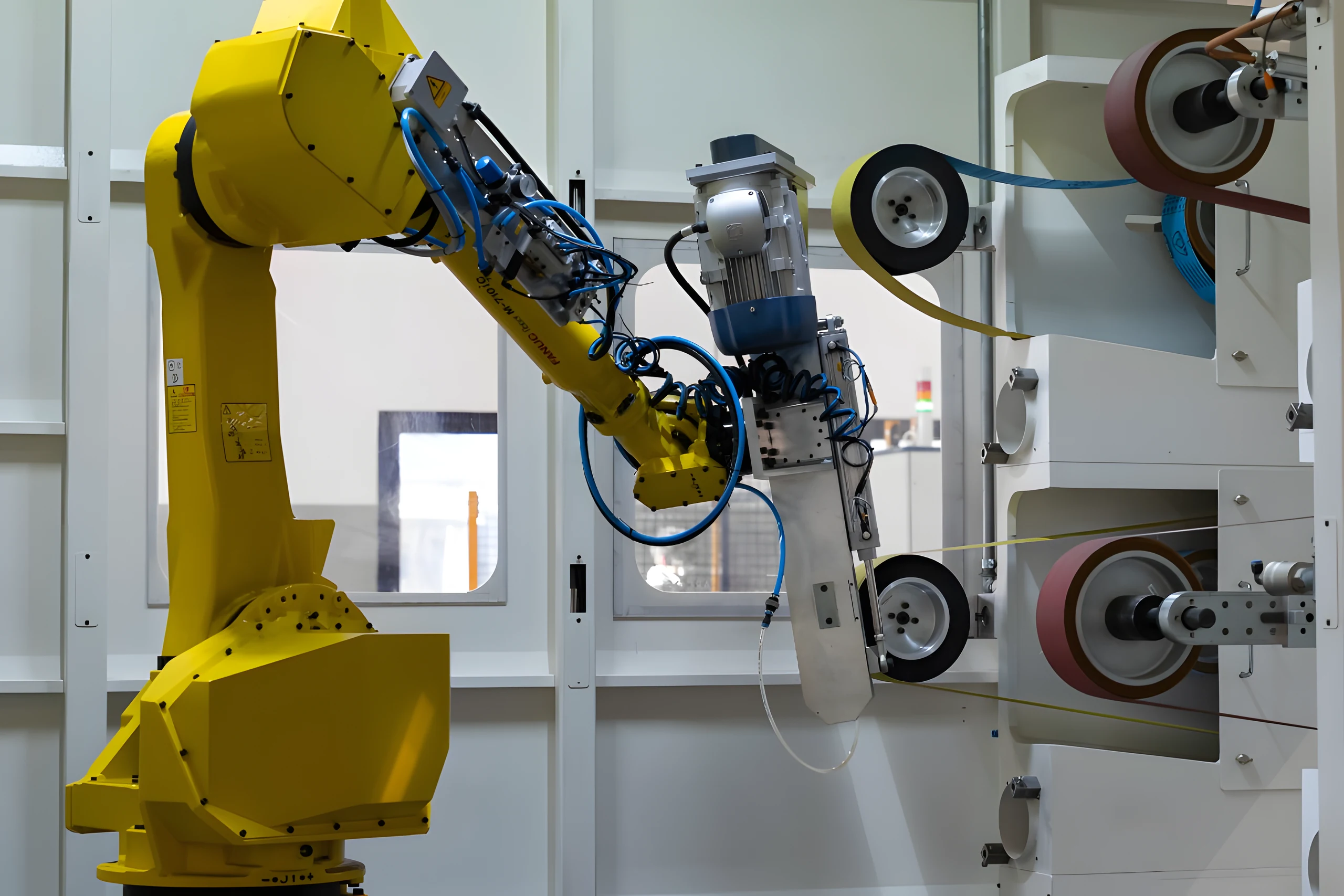
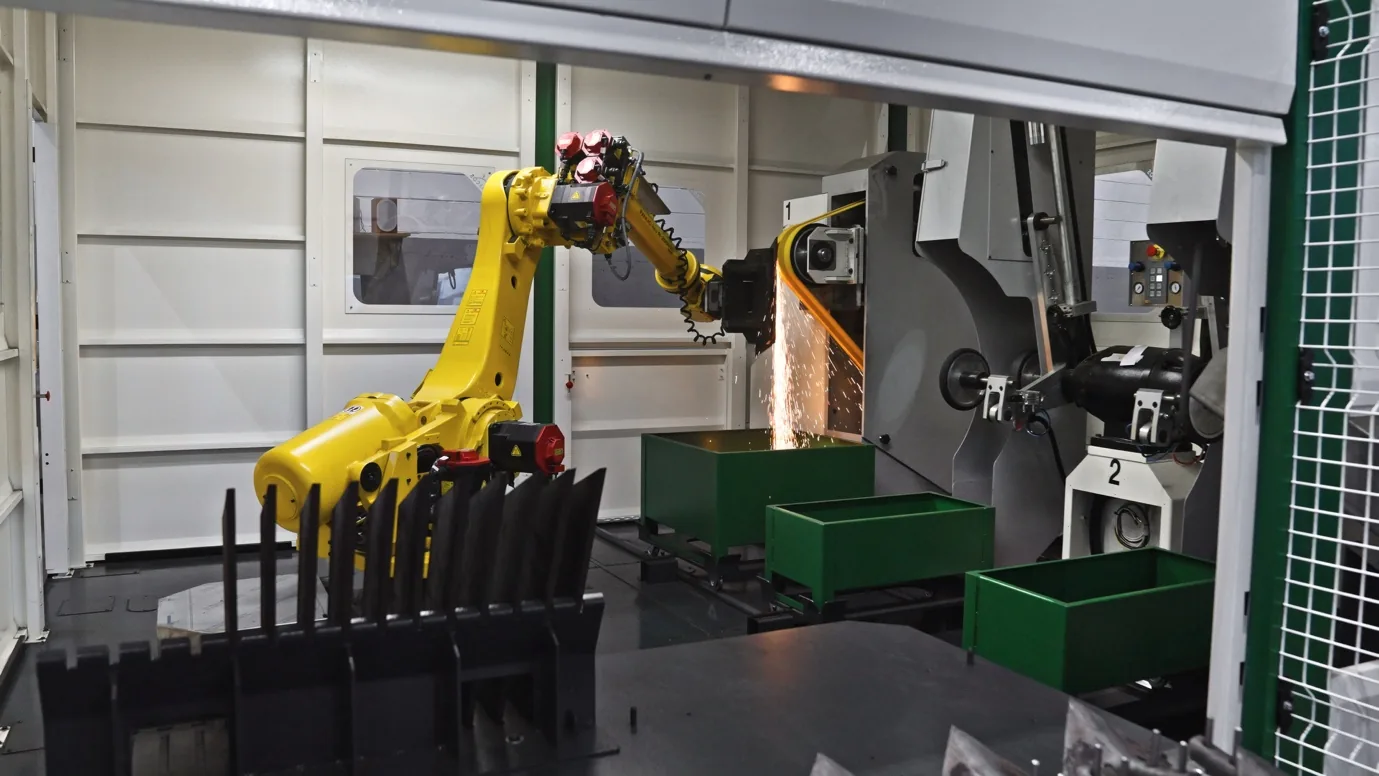
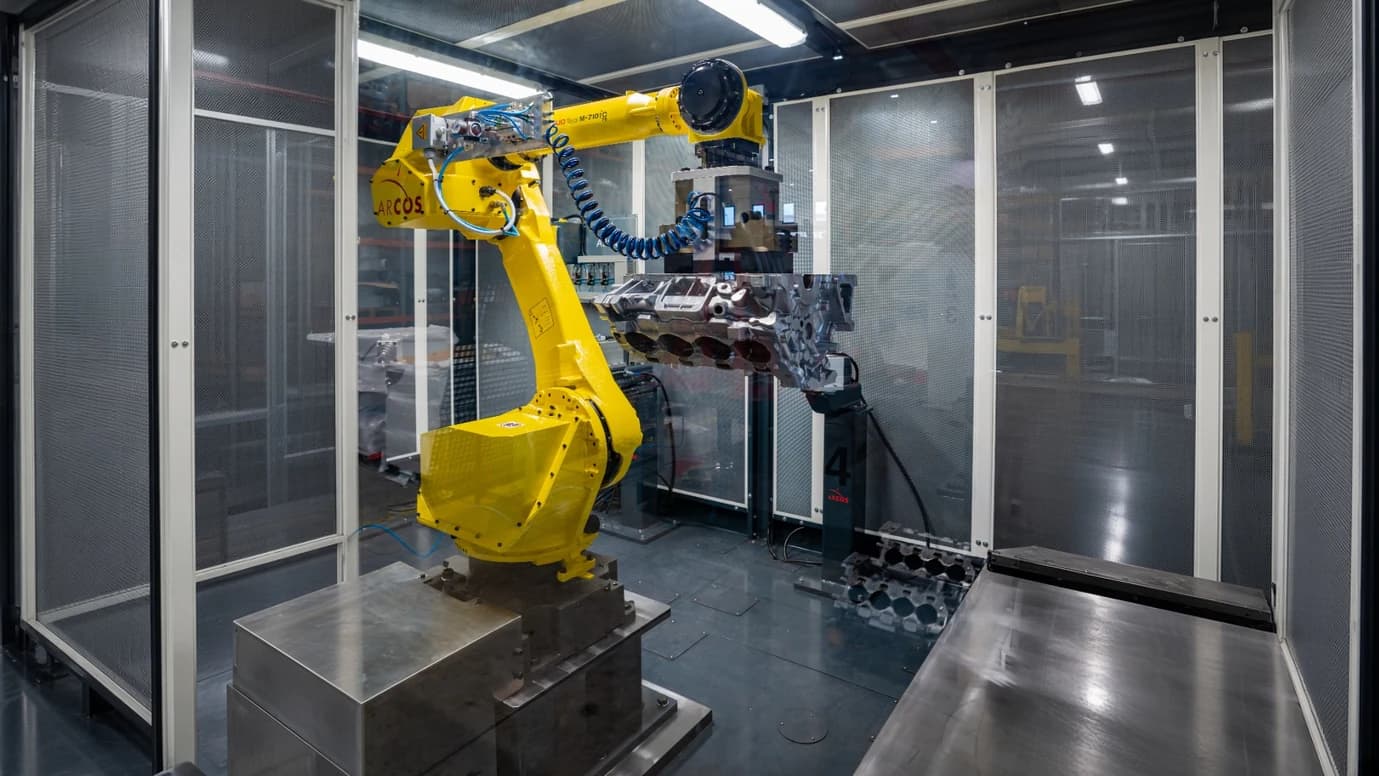
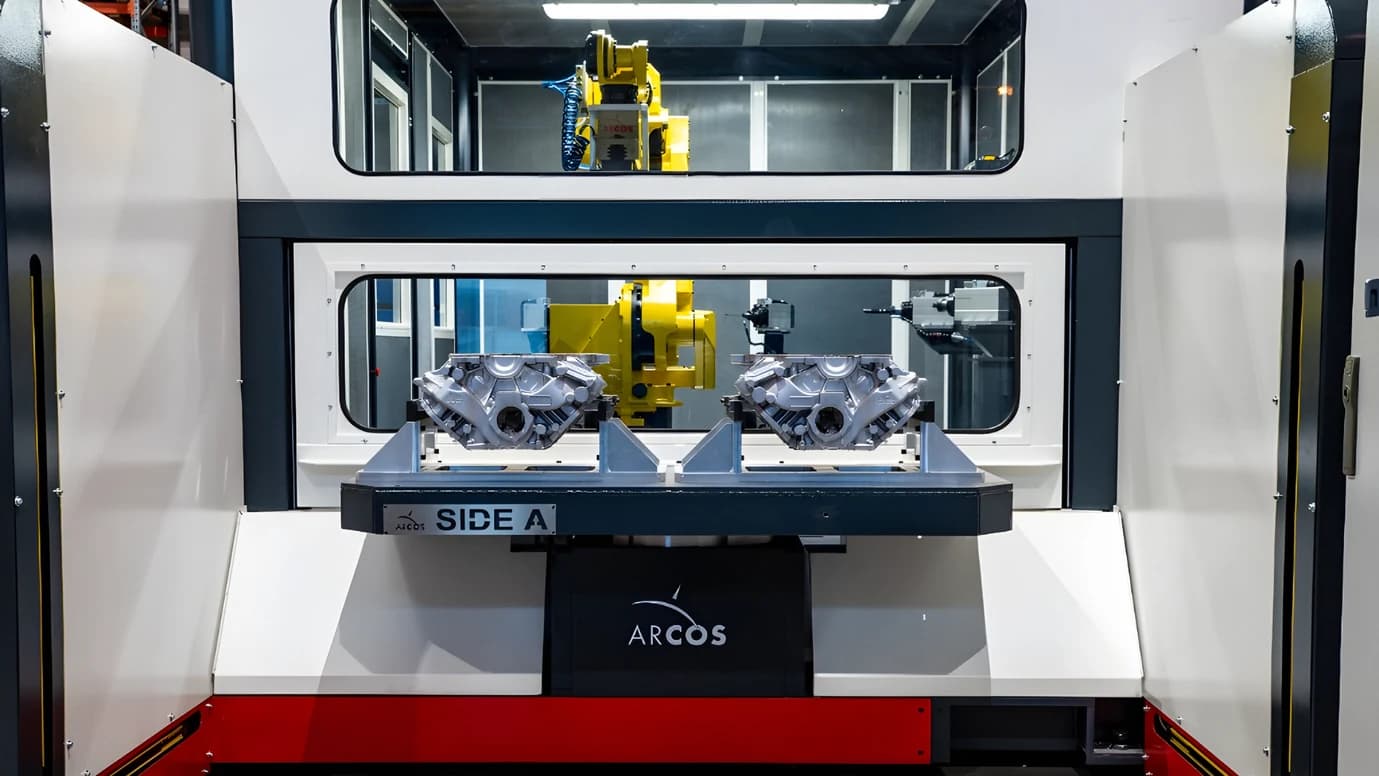
Robotech’s finishing and milling solutions combine robotic sanding, grinding, and polishing with manufacturing and artistic milling. Systems process a wide range of materials with advanced robotics and intelligent force control, and scale for complex geometries, high-volume runs, and customized production. Turnkey delivery can include installation, training, and ongoing support to help clients achieve safer, more efficient processes with less waste.
Discuss your applicationFinishing
Polishing and grinding.
Capabilities
What this covers.
- Robotic polishing and grinding
- Robotic milling and material removal
- Consistent and controlled tool pressure
- Repeatable surface finishing
- Complex shapes and geometries
- Multi-tool and multi-process operation
- Automatic tool path control
- High repeatability and precision
- Adaptable to different materials and surface conditions
- Continuous and repetitive production
Suitable for
Who this is for.
- Manufacturers needing consistent surface finishing
- Metal and composite component producers
- Teams reducing manual abrasive exposure
- Production lines that need repeatable milling or finishing paths
Applications
Where it is used.
- Robotic sanding and grinding
- Polishing of contoured parts
- Deburring and edge blending
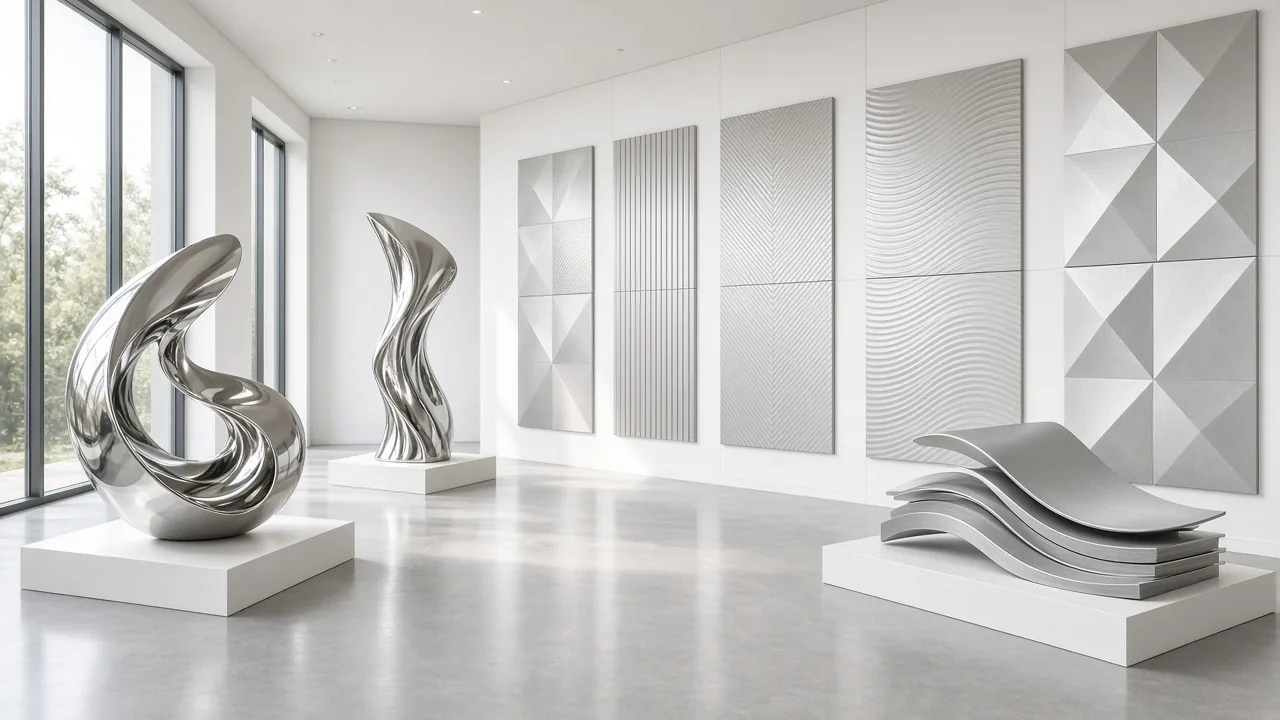
- Manufacturing and architectural milling
FAQ
Common questions.
What does robotic finishing and milling cover?
Finishing covers robotic sanding, grinding, and polishing with controlled force and motion. Milling covers flexible robotic machining for manufacturing and architectural forms. Robotech configures both around part geometry, material, and the quality required for production.
Which materials can robotic finishing and milling handle?
Typical applications include metals, composites, and formed industrial components. Exact tooling and process settings depend on the part, finish, and machining requirements reviewed during consultation.
Can finishing or milling automation integrate with an existing line?
Yes. Systems can be designed around current fixtures, conveyors, safety requirements, and available floor space after a process and site review.
How does robotic milling differ from conventional CNC?
Robotic milling prioritizes reach and flexibility for large or irregular parts. Conventional CNC often prioritizes high rigidity inside a fixed machine envelope. The right choice depends on part size, accuracy needs, and production volume.